Guide
Deep breathing exercises for anxious moments you can do anywhere
Last updated: November 2026
Slow breathing with a longer exhale is the simplest deep breathing exercise for anxious moments, and you can try it right now in about two minutes.
Deep breathing exercises for anxiety work by slowing your breath on purpose, usually with an exhale longer than the inhale. Below are four you can use anywhere. They are for everyday nervousness, not a treatment for an anxiety disorder. To build a complete daily practice, Art of Living teaches SKY Breath Meditation in three sessions.
How can I reduce anxiety immediately?
Breathe out for longer than you breathe in. Inhale through your nose for about 4 counts, exhale for 6 to 8, and keep going for one to three minutes. Then ground your attention: name five things you can see and three you can hear. If anxiety is severe, frequent, or comes with chest pain, contact a health professional.
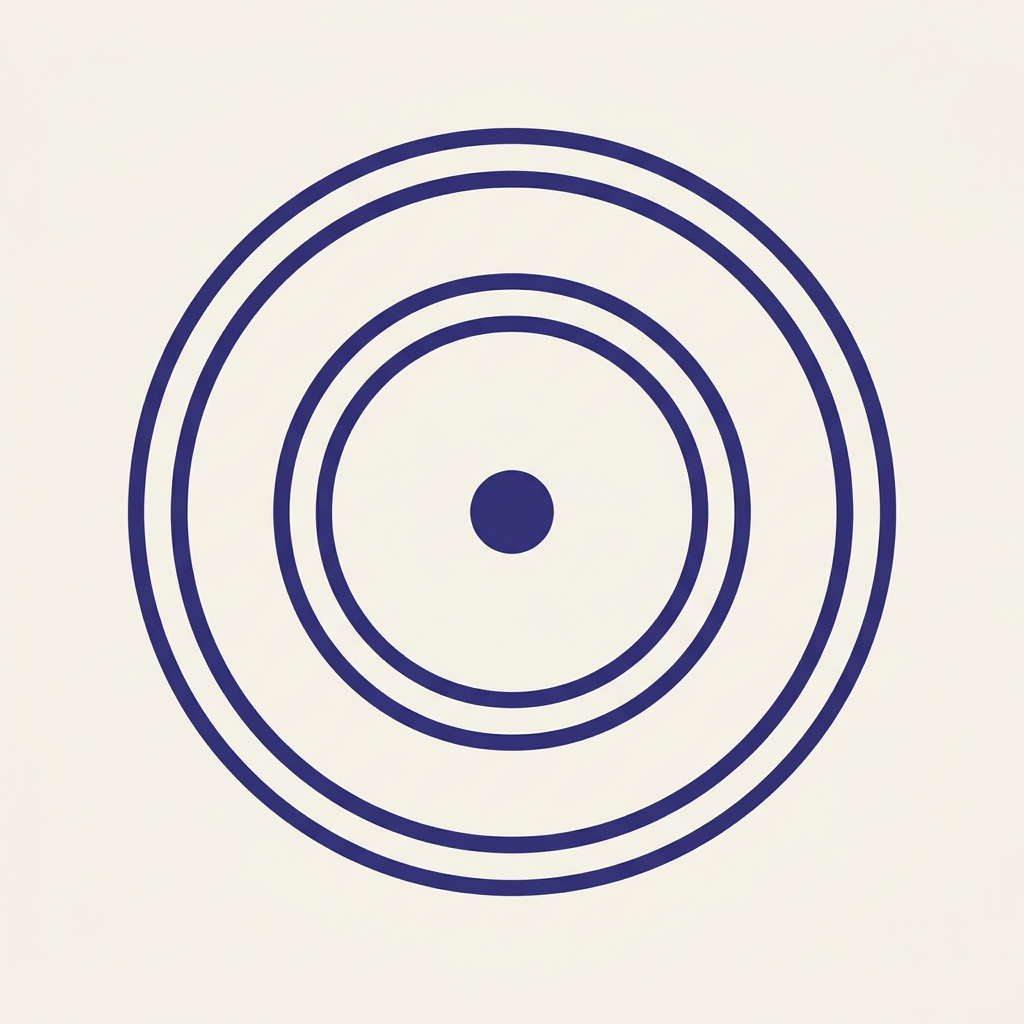
In for 4 seconds as the circle grows, out for 6 seconds as it shrinks. Six rounds take one minute.
Four deep breathing exercises, step by step
1. Long-exhale breathing
- Sit or stand and relax your shoulders.
- Breathe in through your nose for 4 counts.
- Breathe out slowly for 6 to 8 counts.
- Repeat for one to three minutes.
2. Belly breathing
- Place one hand on your chest and one on your belly.
- Breathe in through your nose so the belly hand rises more than the chest hand.
- Breathe out gently through your mouth.
- Continue for five minutes.
3. Box breathing
- Breathe in for 4 counts.
- Hold for 4 counts.
- Breathe out for 4 counts.
- Hold for 4 counts, then repeat four to six times.
4. 4-7-8 breathing
- Breathe in through your nose for 4 counts.
- Hold for 7 counts.
- Breathe out through your mouth for 8 counts.
- Repeat up to four rounds.
The 4-7-8 pattern was popularized by Dr. Andrew Weil. If holding your breath feels uncomfortable, skip the holds and use long-exhale breathing instead.
Does deep breathing actually help?
The research on breathwork and stress is encouraging. A 2022 meta-analysis in Scientific Reports pooled randomized controlled trials and found breathwork was associated with lower levels of stress than control conditions, with a significant small-to-medium effect size (g = -0.35).
For SKY Breath Meditation specifically, the Art of Living homepage cites more than 200 peer-reviewed studies and presents reduced stress and anxiety, better sleep, and increased energy as potential benefits. Quick exercises help in the moment; a regular practice is where longer-term change tends to come from.
From quick exercises to a daily practice
Use one exercise daily for a week
Pick the one that feels best and practice it at a fixed time, not only when you feel anxious.
Try a guided session
Art of Living offers Beyond Breath, a free introduction to SKY breathing and meditation.
Learn a complete practice
The SKY course teaches Sudarshan Kriya, supporting breathing techniques, and guided meditation in three sessions of three hours.
Learn more on the SKY Breath Meditation course page or in the breath meditation guide.
When to be careful with breathing exercises
Gentle slow breathing is low risk for most people. Stop if you feel dizzy and return to normal breathing. People who are pregnant or have heart, blood pressure, or seizure conditions, or serious mental health conditions, should check with a doctor before more intensive breathwork. NCCIH reports that about 8 percent of participants in meditation research experienced a negative effect, similar to the rate for psychological therapies (NCCIH).
Common questions
How can I reduce anxiety immediately?
Slow down your exhale. Breathe in through your nose for about 4 counts and out for 6 to 8 counts, for one to three minutes; lengthening the exhale is one of the most common quick calming techniques. Grounding helps too, such as naming five things you can see. If anxiety is severe or frequent, contact a health professional.
What is the 4-7-8 breathing technique?
The 4-7-8 technique means breathing in through the nose for a count of 4, holding for 7, and exhaling slowly through the mouth for 8. It was popularized by Dr. Andrew Weil as a relaxation exercise. It is a single technique, while a course like SKY teaches a full sequence of breathing practices plus meditation.
Can SKY help with anxiety?
Art of Living presents reduced stress and anxiety as potential benefits of SKY Breath Meditation, and its homepage cites more than 200 peer-reviewed studies on the practice. SKY is a wellness practice, not a treatment for an anxiety disorder. If anxiety affects your daily life, talk with a health professional as well.
Who should avoid breathwork?
People who are pregnant or have heart or blood pressure conditions, epilepsy, recent surgery, a history of fainting, or serious mental health conditions should talk with a doctor before intensive breathwork. That is general guidance for vigorous breathing practices. NCCIH notes about 8 percent of participants in meditation studies reported a negative effect. Tell your SKY instructor about health concerns beforehand.
What if I feel dizzy during breathwork?
Stop, return to normal breathing, and rest until it passes. Light-headedness can happen with faster or deeper breathing. In a teacher-led course like SKY, tell your instructor right away so they can adjust your practice. If dizziness persists or comes with chest pain, seek medical help.
Is SKY a replacement for medical or mental health treatment?
No. SKY Breath Meditation is a breathing and meditation course, not medical care. Keep following your clinician's advice and keep taking any prescribed treatment. If you are managing a health condition, talk with your doctor before starting any breathwork practice and let your instructor know.
Go beyond quick fixes
See the SKY Breath Meditation course on the Art of Living website.
Visit artofliving.org